









 Close
Close
One thing many dog owners are hearing more often during annual veterinary visits is:
“Your dog tested positive for a tick-borne illness.”
And understandably, that can sound alarming.
But what many people don’t realize is that a positive test does not always mean a dog is actively sick. In fact, many healthy dogs test positive for exposure and continue living completely normal, symptom-free lives.
Because tick-borne diseases are becoming increasingly common — especially in warmer, humid regions — I thought it would be helpful to break down the most common ones in a simple, understandable way.
Why Are Veterinarians Testing for These Diseases?
Most veterinarians now run a yearly screening blood test called a 4DX Test.
This routine test commonly checks for:
- Heartworm Disease
- Lyme Disease
- Ehrlichia
- Anaplasmosis
The reason for screening is simple:
Ticks are extremely common now, and many diseases can go unnoticed until symptoms become more serious.
What’s important to understand, though, is this:
Many of these tests detect EXPOSURE — not necessarily active disease.
That distinction matters tremendously.
1. Lyme Disease
What Is It?
Lyme disease is caused by bacteria called Borrelia burgdorferi and is spread primarily through deer ticks.
Yes — dogs absolutely can get Lyme disease, just like humans.
Symptoms of Lyme Disease in Dogs
Some dogs never show symptoms at all. Others may develop:
- Fever
- Limping or shifting leg lameness
- Joint swelling
- Fatigue
- Loss of appetite
- Stiffness
In rare cases, Lyme disease can affect the kidneys more seriously.
Important Perspective
Many dogs test positive for Lyme exposure and remain perfectly healthy.
A positive test often means:
“Your dog was exposed to the bacteria at some point.”
It does not automatically mean severe illness.
2. Anaplasmosis
What Is It?
Anaplasmosis is another bacterial disease spread through tick bites.
It’s caused by Anaplasma bacteria and is commonly found in the same regions where Lyme disease exists.
Symptoms
If symptoms occur, they may include:
- Fever
- Joint pain
- Lethargy
- Low appetite
- Bruising or bleeding issues
However, many dogs never become symptomatic.
Why Dogs Stay Positive
This is one of the most misunderstood parts of testing.
Dogs can remain positive for antibodies long after exposure because the immune system “remembers” the bacteria.
That means a dog may:
- test positive this year,
- test positive next year,
- and still be completely healthy.
3. Ehrlichia
What Is It?
Ehrlichia is another tick-borne bacterial disease, commonly spread by:
- Brown dog ticks
- Lone Star ticks
These ticks are especially common in Southern states.
Symptoms
Dogs with active Ehrlichia may show:
- Fever
- Fatigue
- Weight loss
- Swollen lymph nodes
- Joint pain
- Bleeding tendencies
- Low platelet counts
Some dogs experience only mild illness, while chronic untreated cases can become more serious.
What Makes Ehrlichia Unique?
Ehrlichia tends to affect blood cells and the immune system more directly than some other tick-borne illnesses.
Still, many dogs test positive and remain stable with no active symptoms.
4. Heartworm Disease
Although technically not tick-borne, heartworm testing is included in these yearly screenings.
What Is It?
Heartworms are transmitted through mosquito bites — not ticks.
The worms live in the:
- heart,
- lungs,
- and blood vessels.
Why It’s Serious
Unlike some tick exposures that remain mild or inactive, heartworm disease can become life-threatening if untreated.
Symptoms may include:
- coughing
- exercise intolerance
- breathing difficulty
- weight loss
- fatigue
Prevention Is Critical
This is why monthly prevention like:
- Heartgard,
- Interceptor,
- Simparica Trio,
- etc.
is so heavily emphasized by veterinarians.
Heartworm prevention is far easier and safer than heartworm treatment.
Can Dogs Give These Diseases to Humans?
This is one of the biggest misconceptions.
Dogs do NOT directly spread Lyme disease, Ehrlichia, or Anaplasmosis to humans.
The real concern is the tick itself.
If a dog has been exposed to ticks, it means ticks are active in that environment:
- your yard,
- wooded areas,
- hiking trails,
- farms,
- or outdoor spaces.
In many ways, dogs can act as an early environmental warning system.
Why Are These Diseases Becoming More Common?
Several factors are contributing:
- warmer climates,
- longer tick seasons,
- increased wildlife populations,
- suburban expansion into wooded areas,
- and more dogs spending time outdoors.
Ticks are simply more prevalent than they used to be.
Should Owners Panic Over Positive Tests?
In most cases:
No.
Context matters tremendously.
There is a huge difference between:
• a healthy dog with no symptoms and normal bloodwork,
VERSUS
• a clinically sick dog showing active disease.
This is why veterinarians sometimes recommend additional testing after a positive screen — not because the dog is necessarily in danger, but to determine whether the exposure is currently affecting the body.
The Biggest Takeaway
The goal is not fear.
The goal is awareness.
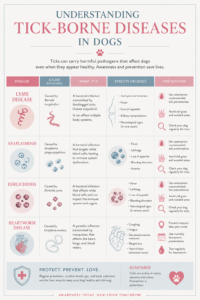
Tick-borne diseases are real, but many dogs live long, healthy lives after testing positive for exposure. The best things owners can do are:
- use consistent flea and tick prevention,
- keep annual veterinary appointments,
- monitor for symptoms,
- and stay informed without panicking.
Not every positive test equals a crisis. Sometimes it simply means: “Your dog encountered a tick at some point.” And understanding that distinction can remove a tremendous amount of unnecessary fear.
P.S. If this made you want a doodle of your own, meet our English Goldendoodle puppies and start your adoption application — we’d love to meet your family.